The life of a headstone
Read together, the official sources follow a headstone through six stages, from the first request to the closing of the cemetery. Each state covers some of them in its own way.
Who may ask for one
The person who holds the grave’s burial right controls its memorial. In NSW the holder of an interment right authorises the putting up and upkeep of memorials. In South Australia the right obliges the cemetery to allow a memorial that it has approved and that fits the terms of the right, and the plain-English statement given before a right is issued must explain the memorial rights and responsibilities that come with it (section 30).
The cemetery approves it
In Victoria, a cemetery trust must approve every new memorial or change to one, within 45 days, and a refusal can be appealed to the Victorian Civil and Administrative Tribunal.
In Tasmania, the cemetery manager permits monuments for a fee it sets, and may decide where one goes by its description, size and character, and by the cemetery’s general plan for its appearance (section 39 of the Burial and Cremation Act 2019).
A mason builds it
Victoria’s Department of Health does not regulate stonemasons, but the work they do in a cemetery is controlled through the trust’s approval, and a trust may inspect a monument while it is being built. For a full monument on concrete foundations, the department suggests checks before the foundations are poured, during construction and on completion.
The department suggests that monuments in Victorian cemeteries follow Australian Standard AS 4204, Headstones and cemetery monuments, and AS 4425 for mausolea. The aim of AS 4204 is a headstone or monument that lasts at least 50 years. The standards are sold by Standards Australia. The trust’s checks are about its own conditions; the department says they are not a check that the monument meets other industry standards.
Someone keeps it safe
In Victoria right holders must keep a memorial in a safe and proper condition. Where it is not, and the trust cannot contact the right holders, the trust may repair the memorial, remove it or dispose of it, and seek the costs and expenses back from them.
Tasmania puts it on whoever is responsible for the monument: a person who has a maintenance agreement with the cemetery, or otherwise the senior next of kin of the person it commemorates. If a monument is unsafe, or was put up against the terms of its permission, the manager can give that person written notice to make it safe or take it down within a reasonable time (section 40). A family can also agree in writing with a Tasmanian cemetery, for a fee, that the cemetery will maintain a grave or monument, and the cemetery must then honour that agreement (section 39).
In South Australia, the cemetery must leave a lawfully erected memorial undisturbed for as long as the right is in force and the memorial is kept in good repair (section 30).
A right ends
Where a grave is held for a term, the memorial’s future is tied to the term. In South Australia, the notice a cemetery must send before a right expires has to say that, if the right is not renewed, any memorial may be reclaimed from the cemetery (section 32).
In NSW, once a renewable right has expired, the operator may remove a memorial and reuse the site two years after expiry, but only after giving notice under the regulator’s Reasonable Notification Guidelines, including reasonable steps to reach the holder and any secondary contacts, and after seeking any heritage advice the Act requires (Cemeteries and Crematoria Act 2013, section 55). Cemeteries & Crematoria NSW’s quick guide of December 2018 adds that some sites are not reused: those with a memorial of local or state heritage significance, graves listed by the Office of Australian War Graves, and graves of people who died of a prescribed infectious disease.
The cemetery closes
In Tasmania, once at least 100 years have passed since the last burial in a closed cemetery, the manager may clear kerbs, railings and other adornments and grass the area over, leaving any tombstone that shows the name of the person buried there. Another kind of monument may instead be moved elsewhere in the cemetery, after a stone is set showing who is buried at the spot and where the monument now stands (section 66).
Old graves in a working cemetery
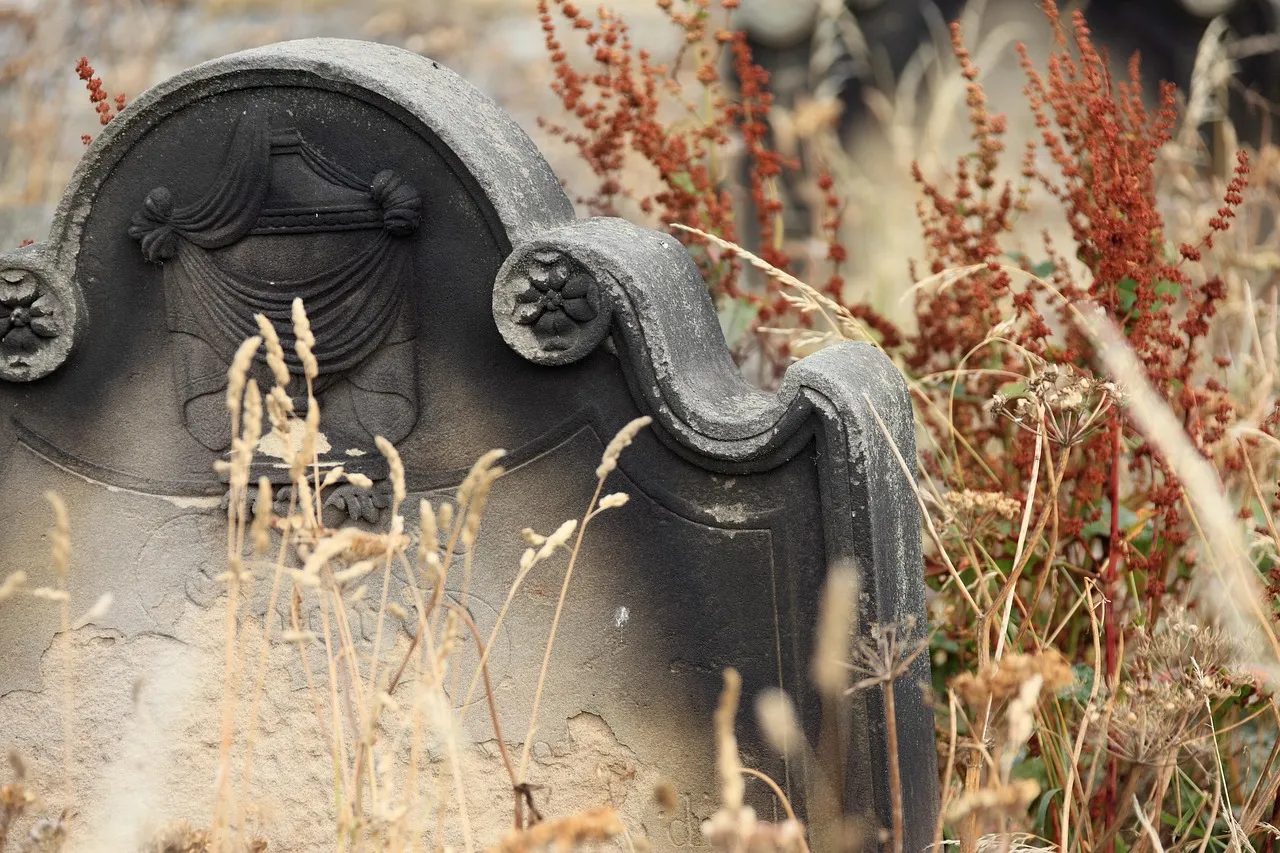
Karrakatta, which the Metropolitan Cemeteries Board calls Perth’s most prominent cemetery, opened in 1899. The Board began renewing its older sections in the 1970s so that it can keep offering new graves. The Board says renewal places new graves in unused ground between the old plots and moves headstones and kerbing into nearby gardens; no original grave is exhumed, moved or added to.
Not every headstone is moved. The Board keeps a headstone in place where:
- the grant of burial for the grave is still current;
- an Australian war veteran is buried there, identified with the Office of Australian War Graves and RSL WA;
- the grave holds a person of historical significance, which the Board’s researchers look into;
- the family’s submission to keep it is approved by the Board’s Monuments Assessment and Advisory Committee.
Since 2024, in sections already renewed, the Board has been putting small monuments back over original graves where it can, marking the rest with a small plaque, and moving monuments as near as possible to the grave they belong to. Before renewing a section, it consults for 12 months, then allows a further three months for final submissions, and writes to grant holders and to people who have registered an interest in a family grave.
Burial rights and their terms are covered in Section A; natural burial grounds, where headstones are often not used at all, in Section B.